Introduction
Work pants, also known as cargo pants or utility trousers, have long been a staple in both fashion and functionality. Originally designed for laborers, work pants have evolved over time to meet the needs of different industries and fashion trends. This guide will explore the history, types, fabrics, styles, and care tips for work pants, while also offering advice on how to wear them for different occasions. Whether you are in the market for durable workwear or stylish, comfortable clothing, this guide will help you make an informed decision.
The History of Work Pants
Origins and Development of Work Pants
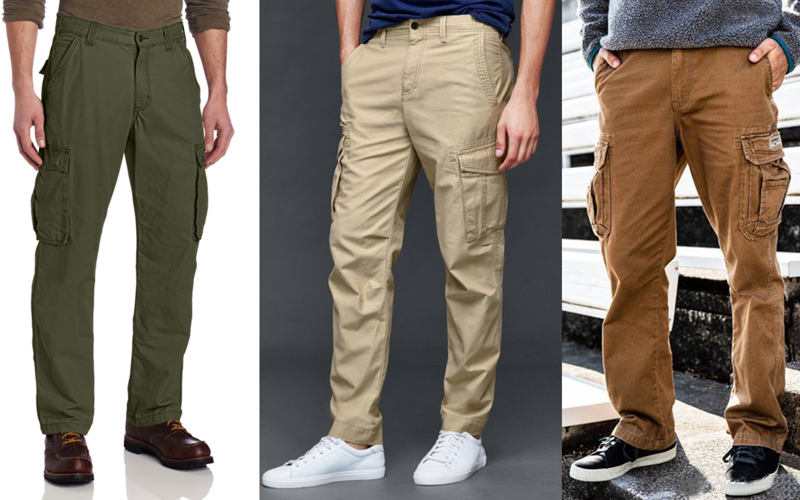
Work pants originated in the 19th century as durable clothing for manual laborers. Initially, they were crafted from heavy materials like denim and canvas, designed to withstand the wear and tear of daily tasks. Over time, the pants evolved to suit various working environments, including factories, construction sites, and farms.
Uses and Trends Over the Decades
Throughout the 20th century, work pants gained popularity in different sectors. In the military, cargo pants were used for their practicality, thanks to their multiple pockets. By the late 20th century, work pants had transitioned into mainstream fashion, becoming a symbol of utility and style. Today, they are worn by both blue-collar workers and fashion enthusiasts.
The History of Work Pants
Origins and Development of Work Pants
Work pants originated in the 19th century as durable clothing for manual laborers. Initially, they were crafted from heavy materials like denim and canvas, designed to withstand the wear and tear of daily tasks. Over time, the pants evolved to suit various working environments, including factories, construction sites, and farms.
Uses and Trends Over the Decades
Throughout the 20th century, work pants gained popularity in different sectors. In the military, cargo pants were used for their practicality, thanks to their multiple pockets. By the late 20th century, work pants had transitioned into mainstream fashion, becoming a symbol of utility and style. Today, they are worn by both blue-collar workers and fashion enthusiasts.
Types of Work Pants
Khaki Work Pants
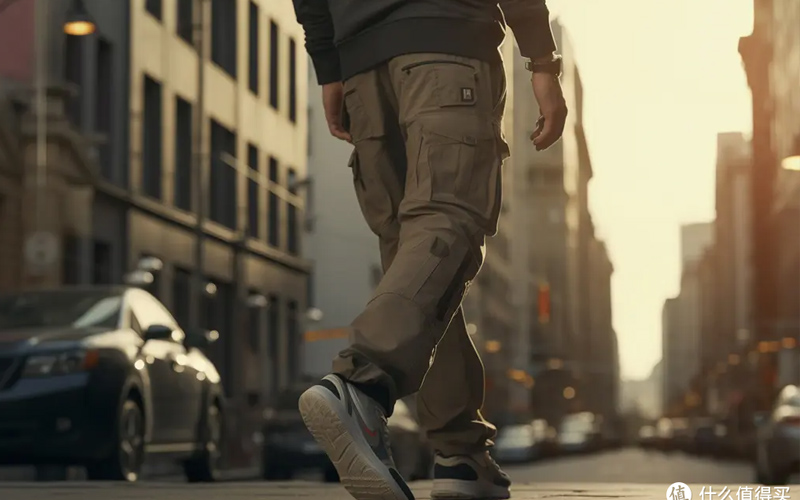
Khaki work pants are versatile, offering a blend of style and functionality. Their neutral color makes them suitable for both casual and professional settings. They are commonly worn in office environments and light industrial work.
Carpenter Pants
Carpenter pants are designed for construction workers and carpenters. They feature reinforced stitching and extra pockets for carrying tools. These pants are known for their durability and comfort.
Multi-Pocket Cargo Pants
Cargo pants are equipped with multiple pockets, making them ideal for workers who need to carry small items like tools, phones, or notebooks. Their rugged design makes them a favorite for outdoor activities such as hiking and camping.
Overalls
Overalls are one-piece work garments that offer complete protection. They are typically worn in industries like agriculture, construction, and automotive repair. Overalls provide excellent coverage and are ideal for jobs that involve dirty or hazardous conditions.
Materials Used in Work Pants
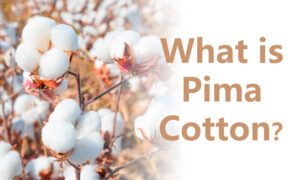
Cotton
Cotton is one of the most common materials used for work pants due to its comfort and breathability. However, it is less durable than synthetic fabrics and may wear out faster under heavy use.
Polyester
Polyester is often blended with other fabrics to enhance durability. It is resistant to wrinkles and shrinking, making it a low-maintenance option for workwear.
Denim
Denim is a heavyweight cotton fabric that is highly durable and abrasion-resistant. It is frequently used in jeans and overalls, making it a popular choice for work pants in construction and heavy industry.
Impact of Fabric on Durability, Comfort, and Breathability
Different fabrics offer varying degrees of durability, comfort, and breathability. For example, cotton provides maximum comfort but may lack durability. Polyester blends are durable but may not be as breathable. Denim, on the other hand, offers both durability and comfort, making it a popular choice for heavy-duty workwear.
Work Pants: Fit and Style
Loose-Fit Work Pants
Loose-fit work pants offer maximum comfort and flexibility, making them ideal for physical labor. However, they may appear less polished in professional settings.
Straight-Leg Work Pants
Straight-leg work pants offer a balance between comfort and style. They are less baggy than loose-fit pants but still provide room for movement. This style is versatile and works well for both casual and professional environments.
Slim-Fit Work Pants
Slim-fit work pants provide a modern, tailored look. These pants are more form-fitting and are often favored by individuals who want a sleek appearance while maintaining the functionality of traditional work pants.
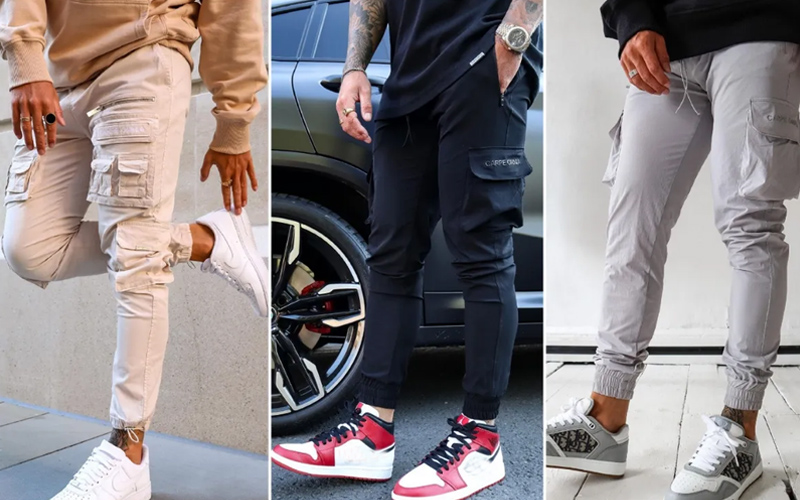
How to Style Work Pants
Casual Outfits
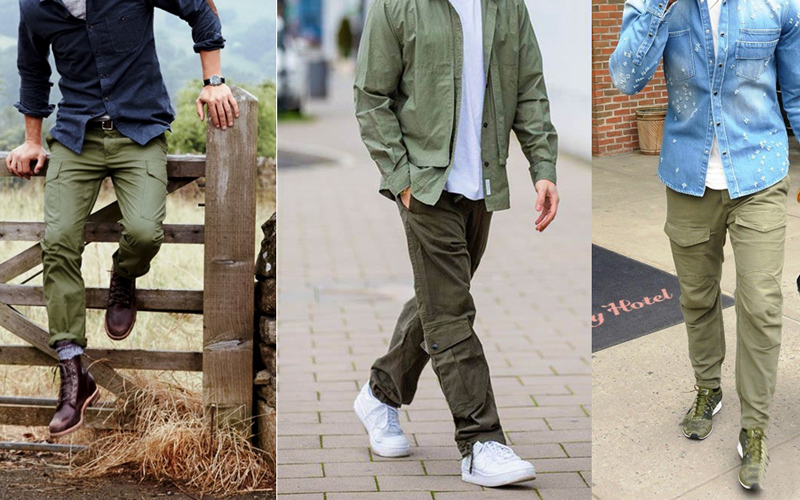
For a casual look, pair cargo pants or khakis with a simple t-shirt or flannel shirt. Add sneakers or boots for a rugged, laid-back style.
Work Settings
In a work environment, khaki or straight-leg pants can be paired with a button-down shirt or polo for a more polished appearance. Steel-toe boots or leather shoes complete the look.
Outdoor Activities
For outdoor activities like hiking or camping, cargo pants offer the best functionality. Pair them with a moisture-wicking shirt and hiking boots to ensure comfort and durability during your adventures.
Care and Maintenance of Work Pants
Cleaning Tips for Different Fabrics
Cotton work pants should be washed in cold water and hung to dry to prevent shrinking. Polyester pants can be machine-washed and dried with minimal risk of damage. Denim work pants should be washed inside out to prevent fading and should be air-dried to maintain their shape.
Extending the Life of Your Work Pants
To extend the life of your work pants, avoid excessive washing, which can wear out fabrics. Instead, spot-clean stains and hang the pants to air out after each use. Store them in a cool, dry place to prevent mold and mildew growth.
Current and Future Trends in Work Pants
Color and Design Trends
Neutral colors like khaki, black, and olive green remain popular in workwear, but bold colors and patterns are making their way into modern designs. Additionally, brands are introducing work pants with technical fabrics that offer water resistance, stretch, and breathability.
Contributions of Leading Brands and Designers
Several well-known brands, such as Carhartt and Dickies, have contributed to the development of modern work pants by combining durability with style. Emerging designers are also incorporating eco-friendly materials and innovative features into their designs, making work pants more sustainable and functional than ever before.
Conclusion
Work pants have come a long way from their humble beginnings as laborers’ uniforms. Today, they offer a perfect balance between practicality and style, making them essential in both workwear and casual wardrobes. Whether you are looking for rugged pants for heavy-duty work or stylish trousers for everyday wear, understanding the different types, materials, and styles available will help you choose the right pair for your needs.